Getting Started in Gardening: A Beginner's Guide
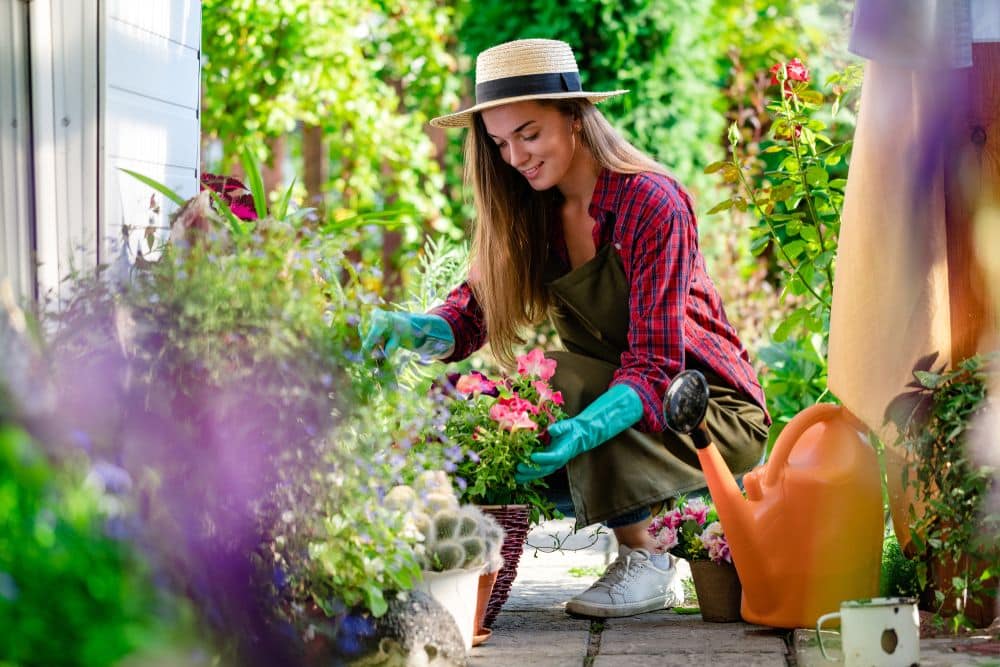
We all enjoy a lush garden filled with perfectly manicured plants. What is it that people do to keep their gardens looking so lush and beautiful? There are no obstacles to overcome; all that is required is some careful planning and research before you can begin your journey. You can reap a plethora of therapeutic benefits from working with soil and spending time outdoors with your plants. Here is a guide for those who are new to gardening.
WHAT DO YOU WANT TO DO WITH YOUR GARDEN?
First and foremost, you must decide on your desired appearance. A cottage country style, modern garden style landscaping, low-maintenance modern or minimalist garden, a playground for the kids, a kitchen garden or an expanse of flowers are some of the options you have. It's difficult to combine all of your wishes and desires, so set some boundaries for yourself, at least to begin with.
GET OFF TO A SLOW START
You should also consider what you do and how much garden space you want to dedicate to it, especially if you are renting. You should go for the gold if you own your own home! I recommend that you start out slowly and purchase a few flowers every season to begin with. You can rest assured that you will have beautiful plants and flowers that everyone in your neighborhood will enjoy throughout the year.
Make a decision on the type of garden you want. Interested in growing herbs, flowers, bushes, or fruit trees in your yard? Or any combination of the above? Here are some suggestions to assist you in making your decision.
GET SOME EXPERT ASSISTANCE
Digging up the garden can be a time-consuming task, so if you are just starting out, it may be wise to hire some professional assistance. Local professionals can provide you with expert advice on all of your gardening requirements. Different plants have different requirements, and it is best to group plants of similar species together to reduce the amount of maintenance required. Know whether your plants require sun or shade, how frequently they should be watered, how quickly they grow, and so on. You will be able to plant more strategically in this manner. Also, don't forget to ask for recommendations on how to properly care for your chosen plants!
WHAT ARE THE CLIMATE CONDITIONS WHERE YOU LIVE?
Although the tropical gardens of Bali appear to be exotic, you must be realistic and determine whether the plants you wish to plant would thrive in the colder climates of Australia before embarking on your journey. Consult with a gardener or a representative from your local nursery before deciding on the plants that you will need to plant. In accordance with the position of the sun, you will be given expert advice on how to position your solar panels.
THE HEIGHT, THE TIME, AND THE COLOR
When planting a flowerbed, there are three simple considerations to keep in mind: height, timing, and color. Height is the most important consideration. Ensure that you select species with flowering periods that overlap, as this will allow you to extend the period of bloom in your garden. Colors should be combined in ways that complement one another, and tall plants should not obscure lower ones.
SOIL AND FERTILISER OF HIGH QUALITY
There are inexpensive soil and flowers available for purchase, but you should always invest in high-quality soil and fertilizers. You should purchase your plants from nurseries that are grown outdoors because you can be assured that they are of high quality.
PREPARE THE SURFACE
The preparation of the soil is the first step toward a long-lasting garden. If you have a garden, you'll need to start by digging up the soil and layering it with any organic matter you can find, such as old leaves and grass clippings. It's possible that you'll need to go out and get some manure to give your garden some serious growing power.
TOOLS FOR THE JOB
• A shovel for digging
• A rake
• A lawnmower
• Secateurs
• Loppers
• A watering hose and sprinklers
• A hat and gloves for the sun and the heat
Last but not least, devote some time to learning about composting. Your very own compost pile will ensure that you always have a ready supply of organic matter on hand to replenish your soil's nutritional content. Compost provides additional nutrients to the soil while also reducing the amount of water required by your plants – and it also serves as a convenient place to dispose of all of your food scraps. It's a win-win situation.

Comments
Post a Comment